Samsung vs SK Hynix vs TSMC Stock Comparison: Which Semiconductor Giant to Buy in 2026
A deep dive into the strengths and market positions of leading semiconductor companies amid the AI surge.
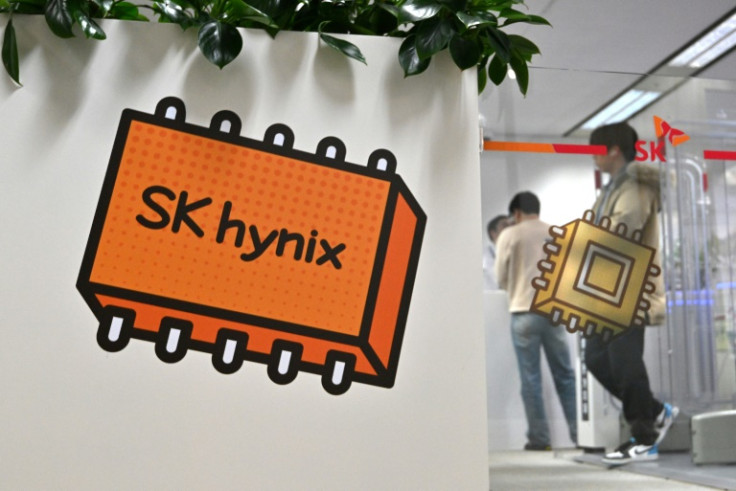
Investors comparing Samsung Electronics, SK Hynix and Taiwan Semiconductor Manufacturing Company (TSMC) for 2026 allocations encounter three powerhouses at the heart of the artificial intelligence boom, each with distinct strengths in memory chips, foundry services and advanced manufacturing amid surging demand for high-bandwidth memory and data center infrastructure.
All three companies have delivered exceptional returns in 2026 driven by AI-related spending, but analysts highlight differing risk-reward profiles based on market positioning, valuation and growth trajectories as the year progresses.
Performance and Market Context
SK Hynix and Samsung have posted dramatic gains, with SK Hynix shares surging over 200% year-to-date in some periods and Samsung also posting triple-digit percentage increases, fueled by high-bandwidth memory (HBM) leadership for AI applications. TSMC, while delivering solid growth, has seen more moderate appreciation as the dominant foundry player.
Market capitalizations reflect their influence: TSMC leads globally among pure-play foundries, while Samsung and SK Hynix have each crossed or approached the $1 trillion mark at peaks, underscoring the memory supercycle. Combined, South Korean memory giants and TSMC represent massive concentration in regional indices.
TSMC's Foundry Dominance
TSMC maintains its position as the world's leading contract chip manufacturer, with over 60% global foundry market share and advanced process technology leadership at 3nm and below. Its stable, high-margin business model benefits from producing chips for Nvidia, Apple and others, with consistent revenue visibility from long-term contracts.
Analysts often view TSMC as the most defensive AI play due to its essential role in the supply chain and geographic diversification efforts through new fabs in the U.S., Japan and Europe. However, its valuation typically carries a premium compared to memory peers.
Samsung's Diversified Strength
Samsung Electronics, the world's largest memory chipmaker by some measures, offers vertical integration across memory, foundry, smartphones and consumer electronics. Its heavy investments in HBM4 and advanced packaging aim to close gaps with competitors, while its foundry division seeks to regain share.
The company's broad exposure provides buffers against sector-specific downturns, though it faces execution risks in catching up on leading-edge processes. Profit forecasts for 2026 are robust, with some projections exceeding TSMC in absolute terms driven by memory pricing power.
SK Hynix's AI Memory Momentum
SK Hynix has emerged as a standout beneficiary of the AI boom, securing significant HBM supply deals and achieving rapid market share gains in premium memory segments. Analysts frequently cite its technological edge in HBM3E and HBM4 as a key differentiator, with strong order visibility from major clients.
The company has shown exceptional earnings growth, with projections placing 2026 profits well above historical norms. Its more focused memory business delivers higher beta exposure to the AI cycle compared to broader peers, appealing to growth-oriented investors.
AI Demand and Sector Tailwinds
Explosive growth in AI infrastructure continues to drive demand for advanced memory and logic chips. High-bandwidth memory requirements for training and inference workloads position Samsung and SK Hynix favorably, while TSMC's manufacturing prowess underpins the entire ecosystem.
Analysts project strong revenue and profit expansion across the trio through 2026-2028, though cyclical risks in memory pricing remain a consideration. Geopolitical factors, including U.S. export policies and regional tensions, add layers of complexity.
Valuation and Analyst Views
SK Hynix and Samsung often trade at more attractive forward multiples relative to growth rates compared to TSMC, reflecting memory cycle perceptions versus TSMC's steadier profile. Consensus ratings remain positive across all three, with many analysts favoring SK Hynix for near-term momentum and TSMC for long-term stability.
Risks and Considerations
Concentration risks are notable, with heavy index weightings in Taiwan and South Korea. Supply chain disruptions, regulatory hurdles and potential AI spending moderation represent shared challenges. Investors must weigh currency exposure, as all three are listed primarily outside the U.S. (with ADRs available).
Investment Outlook for 2026
TSMC suits those seeking a foundational, lower-volatility play in semiconductors. Samsung appeals to diversified investors comfortable with its broader business lines and turnaround potential in foundry. SK Hynix offers higher-upside exposure to the memory supercycle for those tolerant of greater volatility.
A balanced portfolio approach across the three can capture varied aspects of the AI value chain. Long-term horizons are recommended given the capital-intensive nature of the industry and potential for cyclical swings.
Broader Semiconductor Landscape
These companies form critical pillars of global technology supply. Their performance influences broader markets, with AI remaining the primary growth driver. As 2026 advances, focus will remain on execution of capacity expansions, technology roadmaps and demand sustainability from hyperscalers.
Investors should monitor quarterly results, HBM market share updates and geopolitical developments closely. While all three are well-positioned, individual selection depends on risk tolerance, portfolio objectives and views on the memory versus logic segments.
No single stock guarantees superior returns, but each represents a compelling way to participate in the ongoing semiconductor expansion tied to artificial intelligence and digital transformation. Thorough due diligence and professional advice remain essential.
© Copyright 2026 IBTimes AU. All rights reserved.
- Recommended For You