Costco Recalls Popular Meatloaf Meal Kit Over Salmonella Risk – Full List of Sell-By Dates & Affected States
Costco has issued a voluntary recall for one of its popular ready-to-eat meal kits due to potential contamination with Salmonella, a bacterium that can cause serious and sometimes fatal infections, particularly in young children, the elderly, pregnant people and those with weakened immune systems.
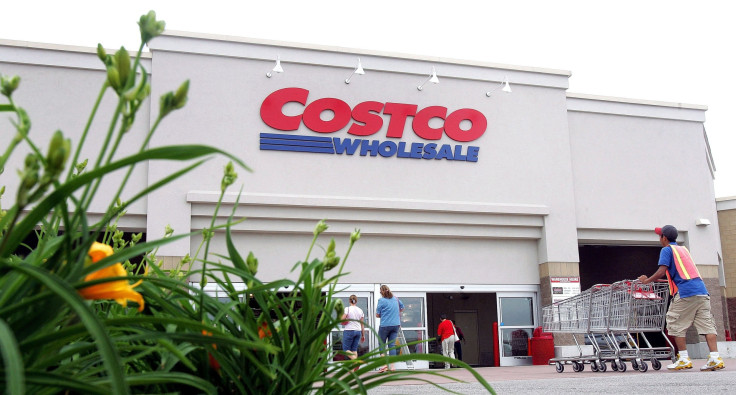
The affected product is "Meatloaf with Mashed Yukon Potatoes and Glaze," item No. 30783 (some reports list it as 30782 or similar), a heat-and-eat prepared meal featuring ground beef meatloaf, mashed Yukon Gold potatoes and a signature glaze. The recall covers kits sold between March 2 and March 13, 2026, with sell-by dates from March 5 through March 16, 2026. Products without these dates are not impacted.
Costco announced the recall in a customer notice posted to its website and distributed to members, citing concerns from ingredient supplier Griffith Foods Inc. The supplier recalled a component used in the meal because it "has the potential to be contaminated with Salmonella." The exact ingredient was not publicly specified in the notice, but the action was precautionary after the supplier's alert.
The recall affects Costco warehouses in 26 states, plus the District of Columbia and Puerto Rico. The impacted states are Alabama, Arizona, California, Colorado, Delaware, Florida, Georgia, Hawaii, Illinois, Indiana, Iowa, Kentucky, Maryland, Michigan, Mississippi, Missouri, Nevada, New Mexico, North Carolina, Ohio, Pennsylvania, South Carolina, Tennessee, Utah, Virginia and Wisconsin.
No illnesses have been reported in connection with the recalled meal kits as of March 17, 2026, according to Costco and public health officials. The U.S. Food and Drug Administration has been notified, though the recall appears classified as voluntary by the retailer rather than a formal FDA Class I action at this stage.
Salmonella infection, or salmonellosis, typically causes diarrhea, fever and abdominal cramps 6 hours to 6 days after exposure. Most people recover within 4 to 7 days without treatment, but severe cases can lead to hospitalization, dehydration or bloodstream infections. The Centers for Disease Control and Prevention estimates Salmonella causes about 1.35 million infections, 26,500 hospitalizations and 420 deaths annually in the United States.
Costco urges customers who purchased the product during the specified period to discard it immediately or return it to any Costco warehouse for a full refund, even without a receipt. "Do not consume any product that is part of this recall," the notice states. Members can check their purchase history online or in the Costco app for verification.
The meal kit has been a staple in Costco's prepared foods section, often praised for convenience and value as a family-sized dinner option. Shoppers typically reheat it at home. Photos shared by Costco in the recall notice show the product in its plastic container packaging with clear labeling of the sell-by date.
This recall comes amid a broader wave of food safety actions in early 2026, including other Salmonella-related pulls for various products. Costco has maintained a strong track record on recalls, quickly notifying members via email, website postings and in-store signage when issues arise.
Food safety experts recommend thorough cooking of ground meats to an internal temperature of 160 degrees Fahrenheit to kill potential bacteria, though this product is sold as ready-to-eat after reheating. Consumers with questions can contact Costco Member Services or visit costco.com/recalls for updates.
No evidence suggests widespread distribution beyond the listed dates and locations. Costco continues to monitor the situation and has removed affected inventory from shelves.
As investigations proceed, public health authorities advise anyone experiencing symptoms consistent with Salmonella—especially vulnerable groups—to seek medical attention and mention possible exposure to the recalled product.
The recall underscores ongoing challenges in the food supply chain, where supplier issues can prompt swift retailer responses to protect consumers.
© Copyright 2026 IBTimes AU. All rights reserved.
- MOST POPULAR IN Society