

PlayStation 6 Component Costs Reportedly Climb as Memory Prices Surge
Unconfirmed hardware estimates suggest rising GDDR7 and NAND prices could make Sony's next console significantly more expensive to produce.
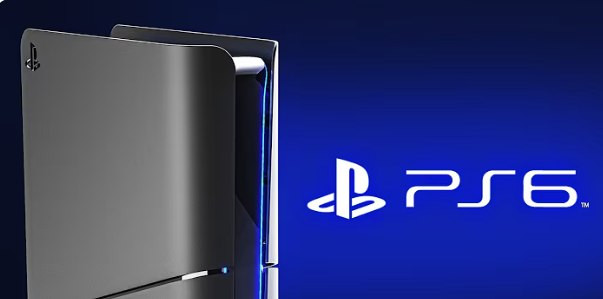
TOKYO — Component costs for Sony's expected next-generation PlayStation console have risen sharply, with memory and storage alone reportedly exceeding $680 per unit, according to hardware industry reports that have circulated in recent days.
The figures come from posts attributed to a hardware leaker known as KeplerL2 on the NeoGAF forums. The leaker stated that RAM and NAND flash memory for the PlayStation 6 now cost more than $680 combined. That amount does not include the central processing unit, graphics processor, cooling system, enclosure or other parts.
Earlier estimates from the same source placed the full bill of materials near $760 in March 2026 and about $960 by mid-year. The latest claim suggests further increases driven primarily by elevated memory prices. Reports note that GDDR7 memory, which was projected near $3 per gigabyte during early design stages, has risen to roughly $20 to $23 per gigabyte amid strong demand from artificial intelligence data centers.
Sony has not confirmed the figures or released official specifications for a next console. The company has previously said it does not intend to sell hardware at significant losses. In comments reported earlier this year, Sony stated that as a principle it does not plan to sell hardware at major losses and would monitor market conditions while ensuring customers understand the value relative to price.
Current PlayStation 5 models retail from roughly $500 to $700 depending on configuration and region. Reports comparing the reported memory and storage costs for a future console to the retail price of existing models note that those two components alone now exceed the launch price of the original PlayStation 5. Analysts and industry observers have suggested that if the reported costs hold, a retail price above $1,000 could be difficult to avoid without larger subsidies than Sony has indicated it is willing to provide.
Memory shortages tied to artificial intelligence infrastructure spending have affected pricing across consumer electronics. Contract prices for DRAM rose substantially in the first half of 2026, with further increases projected later in the year. NAND flash storage has faced similar pressure. Those trends have already led to price adjustments on current-generation consoles from multiple manufacturers.
Industry reports have pointed to a possible 2027 launch window for Sony's next console, though no official date has been announced. Microsoft's next-generation Xbox platform, referred to in some reports as Helix, has faced similar cost discussions. Neither company has confirmed final configurations, memory amounts or storage capacities for their next systems.
Leaker estimates have suggested configurations such as 24 to 32 gigabytes of RAM paired with 2 terabytes or more of storage as possibilities, though these remain unconfirmed. Sony has not disclosed whether a future console would include a disc drive. The company has not commented on the latest cost claims.
Rising component costs have prompted discussion among industry observers about the potential impact on sales volume for a new generation of consoles. Previous generations of PlayStation and Xbox hardware often launched at or below manufacturing cost, with profits recovered through software sales and services over time. Sony's stated position against significant hardware losses suggests that approach may be more limited for its next system.
No official timeline or pricing has been announced by Sony Interactive Entertainment. The company continues to sell the PlayStation 5 and has released software updates and accessories for the current generation. Memory market conditions are expected to remain elevated through at least fiscal 2027, according to prior industry forecasts cited in reports.
© Copyright 2026 IBTimes AU. All rights reserved.